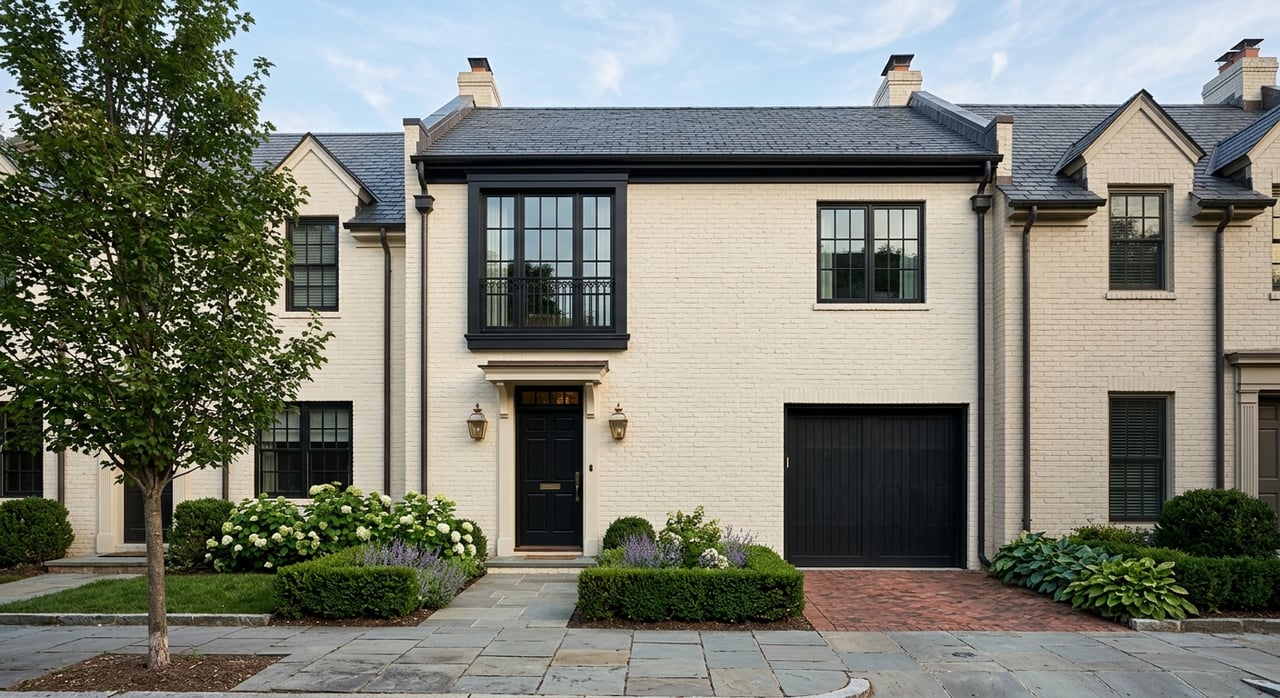
Looking for a home near campus and town without taking on more house than you need? Along South Lamar in Oxford, smaller home options can offer a smart mix of location, character, and easier day-to-day upkeep. If you want to stay close to the Square, enjoy a more connected setting, and understand the tradeoffs before you buy, this guide will help you sort through what makes South Lamar distinct. Let’s dive in.
Why South Lamar Stands Out
South Lamar is not just another corridor with homes for sale. The City of Oxford identifies North and South Lamar as historic preservation districts, and South Lamar is described as a gateway to downtown with historic residential structures that shape the feel of the area.
That matters if you are drawn to places with an established look and a strong sense of place. It also means South Lamar tends to feel more character-rich and residential than a blank-slate growth area.
Smaller Homes That Fit South Lamar
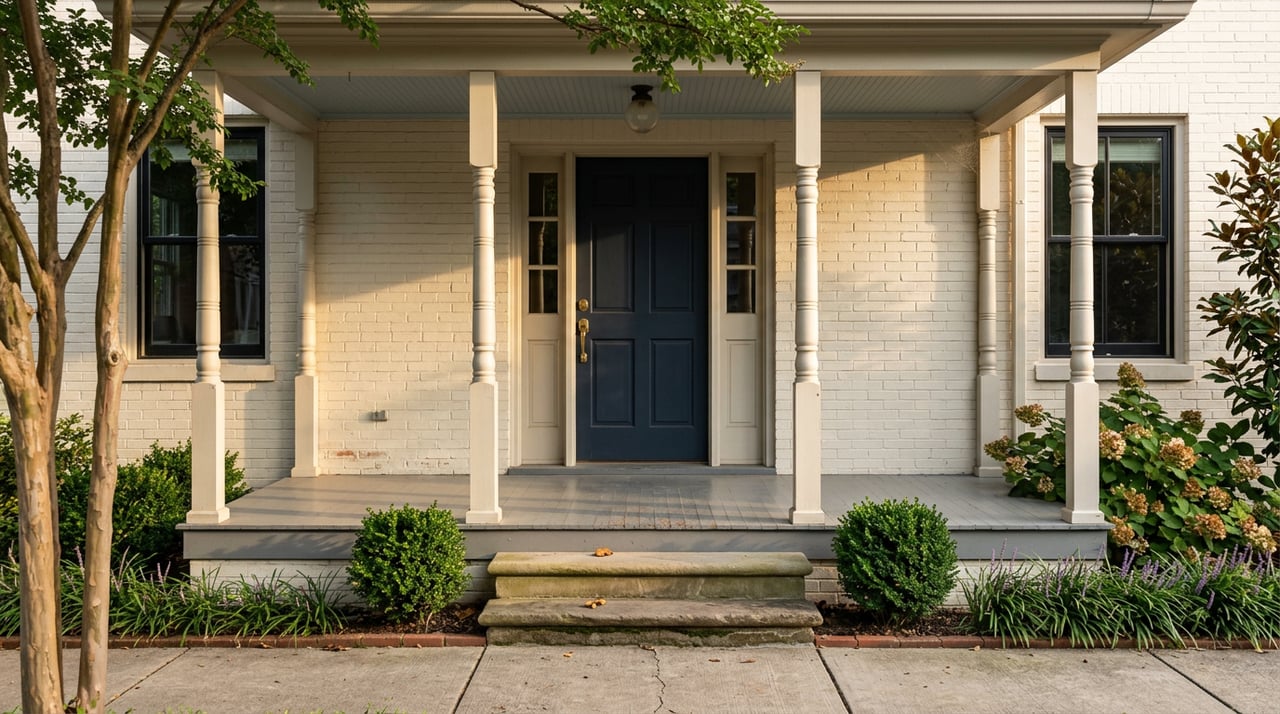
If you picture a smaller home along South Lamar, you are probably imagining the right types. Oxford’s historic district guidelines identify cottages and bungalows as the most common vernacular house forms in the city’s historic districts.
Cottages are described as small, modest homes. Bungalows are typically low-rise homes with broad porches and sloping roofs, and the city even includes a bungalow example on South Lamar Boulevard.
For buyers who want compact living with personality, those home styles are a natural fit. They often offer the charm and street presence many people want without the larger footprint of a newer suburban home.
Compact Home Types to Watch For
Beyond historic cottages and bungalows, Oxford’s land development code supports several smaller-format housing options that may show up in or around the South Lamar area.
Patio Homes
Patio homes, also called zero-lot-line homes, are detached homes built with one or more walls near a side or rear lot line. This layout can reduce yard maintenance and make the lot feel more efficient.
If you want a detached home but do not need a large yard, this type can be worth watching. It gives you a standalone structure with a more compact site plan.
Townhouses
Townhouses are attached homes, with Oxford limiting them to no more than six contiguous units in one row. They can appeal to buyers who want lower-maintenance living and a location that keeps them close to town.
In practical terms, townhouses may offer a simpler exterior footprint and less lawn care than a traditional single-family house. That can be especially appealing if your schedule is busy or you spend a lot of time on campus or downtown.
Duplexes, Triplexes, and Quadplexes
Oxford also allows attached dwellings such as duplexes, triplexes, and quadplexes. The code expects these homes to read from the street like a large single-family house, which helps them stay in scale with surrounding residential areas.
That design approach matters along a corridor like South Lamar. It supports smaller housing options without losing the residential feel that draws many buyers to the area.
Accessory Dwelling Units
Accessory dwelling units, or ADUs, are smaller subordinate living spaces such as a garage apartment or guest house. In Oxford, an ADU can be no larger than the lesser of 1,000 square feet or half the size of the main dwelling, and it may not exceed two bedrooms.
These spaces can add flexibility, but they are tightly defined by local code. If a property includes an accessory space or has potential for one, it is important to evaluate the details carefully.
What Smaller Living Really Means
A smaller home near South Lamar is not only about square footage. It is also about how the property works for your routine, your maintenance goals, and your lifestyle in Oxford.
For many buyers, the appeal is simple. A smaller footprint can mean less upkeep, fewer unused rooms, and more time to enjoy the location instead of managing the house.
That said, compact living usually comes with tradeoffs. Along South Lamar, those tradeoffs often show up in parking, yard size, and exterior improvement rules.
Parking and Site Layout Matter
Parking can look very different from one home type to another. Oxford requires two parking spaces per dwelling unit for homes on individual lots, and patio homes follow that same rule.
Townhouse parking generally scales by bedroom count and includes visitor parking. For accessory dwelling units, the city may require one off-street parking space per bedroom, typically placed to the side or rear of the lot when needed.
Some compact multi-unit projects are also designed with a more pedestrian-oriented layout. That can mean parking behind or under buildings, with walkways connecting homes to parking areas and public sidewalks.
If you are used to wide driveways or oversized front parking areas, this is worth noting. In South Lamar settings, convenience may come from location and walkability rather than extra parking on the front end of the lot.
Outdoor Space May Feel Different
Outdoor living along South Lamar is often less about big lawns and more about the setting around the home. Think porches, smaller setbacks, shaded yards, and mature tree canopy.
Oxford’s Master Tree Plan describes Lamar as a key access corridor to the Square and calls the residential portions of old Lamar a major visual asset. The plan emphasizes broad-spreading trees that shade sidewalks, traffic lanes, and building exteriors.
For buyers, that can be a real plus. You may find that a smaller yard still feels inviting because the surrounding streetscape adds so much visual appeal and shade.
Historic District Rules to Know
Because South Lamar is in a historic preservation district, exterior changes can involve more review than they would in a newer subdivision. Oxford’s updated historic district design guidelines require review and a Certificate of Appropriateness before exterior construction, alteration, demolition, or relocation begins in the district.
That can affect projects such as adding a porch, changing a facade, moving a structure, or altering certain site features. If you love the area’s character, these standards help protect it, but you should go in knowing there is a review process.
This is one of the biggest differences between buying in a character-rich corridor and buying in a newer development. The home may offer more charm and a better in-town setting, but changes to the exterior usually require more planning.
Why Buyers Like South Lamar
South Lamar sits in an area shaped by both downtown Oxford and the University of Mississippi. The university notes that its campus covers 3,693 tree-filled acres, and Ole Miss operates the South Oxford Center at 2301 South Lamar Blvd. as a student health services location.
That campus-town connection can make the area feel especially convenient for people who want easier access to everyday Oxford destinations. It also supports the appeal of smaller homes for buyers who prioritize location over lot size.
Oxford’s downtown parking district map is another useful reminder that access around the Square is not one-size-fits-all. With city-owned lots, county-owned lots, federal lots, and streets within the parking district, buyers who expect to spend time downtown may find that their lifestyle does not depend entirely on having abundant parking at home.
Who Smaller Homes Along South Lamar May Suit
South Lamar can be a strong fit if you want a home that feels connected to Oxford rather than set apart from it. Buyers often look here when they value manageable upkeep, established surroundings, and access to campus or downtown.
That can include:
- First-time buyers who want a smaller footprint in a central location
- Downsizers who want less maintenance without giving up character
- University-affiliated buyers who want easier campus access
- Busy professionals who prefer convenience and a simpler home to manage
- Buyers looking for compact homes with architectural personality
The best fit usually comes down to priorities. If you want the largest yard possible, South Lamar may not check every box. If you care more about location, charm, and a more manageable home, it can be a very compelling area to explore.
How to Shop South Lamar Smartly
When you are comparing smaller homes along South Lamar, it helps to think block by block and property by property. This corridor is not defined by one single housing type.
You may see cottages and bungalows that deliver historic charm. You may also find patio homes, townhouses, or homes with smaller accessory spaces that offer flexibility and lower-maintenance living.
As you evaluate options, focus on a few practical questions:
- How much exterior maintenance do you want to handle?
- How important is off-street parking for your routine?
- Would a smaller yard feel freeing or limiting?
- Are you comfortable with historic district review for exterior changes?
- Do you prefer detached living, or would an attached format work well for you?
Those answers can quickly narrow your search. They can also help you avoid falling for a home that looks right on paper but does not match how you actually live.
The Bottom Line on South Lamar
If you are exploring smaller home options in Oxford, South Lamar deserves a close look. It offers a mix of historic character, compact home styles, mature streetscape, and access to both downtown and campus that is hard to duplicate elsewhere.
The tradeoff is that smaller homes here often come with tighter site plans, more modest yards, and, in the historic district, more rules around exterior work. For many buyers, that is a fair exchange for location, charm, and a home that feels easier to live in and maintain.
If you want help sorting through South Lamar Oxford homes for sale, identifying smaller homes that fit your goals, or uncovering opportunities that may not be obvious at first glance, Noelle Goubeaux can help you navigate the market with local insight and a tailored plan.
FAQs
What kinds of smaller homes can you find along South Lamar in Oxford?
- Along South Lamar, smaller home options may include cottages, bungalows, patio homes, townhouses, attached dwellings like duplexes or triplexes, and in some cases accessory dwelling units.
What should you know about South Lamar historic district rules before buying?
- If a home is in the historic preservation district, exterior construction, alteration, demolition, or relocation requires review and a Certificate of Appropriateness before work begins.
How does parking work for smaller homes in South Lamar?
- Oxford generally requires two parking spaces per dwelling unit for homes on individual lots, while townhouse and accessory dwelling unit parking requirements vary based on bedrooms and layout.
Why do buyers consider smaller homes near South Lamar and downtown Oxford?
- Many buyers like the combination of manageable upkeep, historic character, mature tree canopy, and easier access to downtown Oxford and the University of Mississippi.
What is the tradeoff of buying a smaller home along South Lamar?
- The main tradeoff is that you may get less yard space and tighter parking, while also needing more planning for exterior changes if the property is in the historic district.