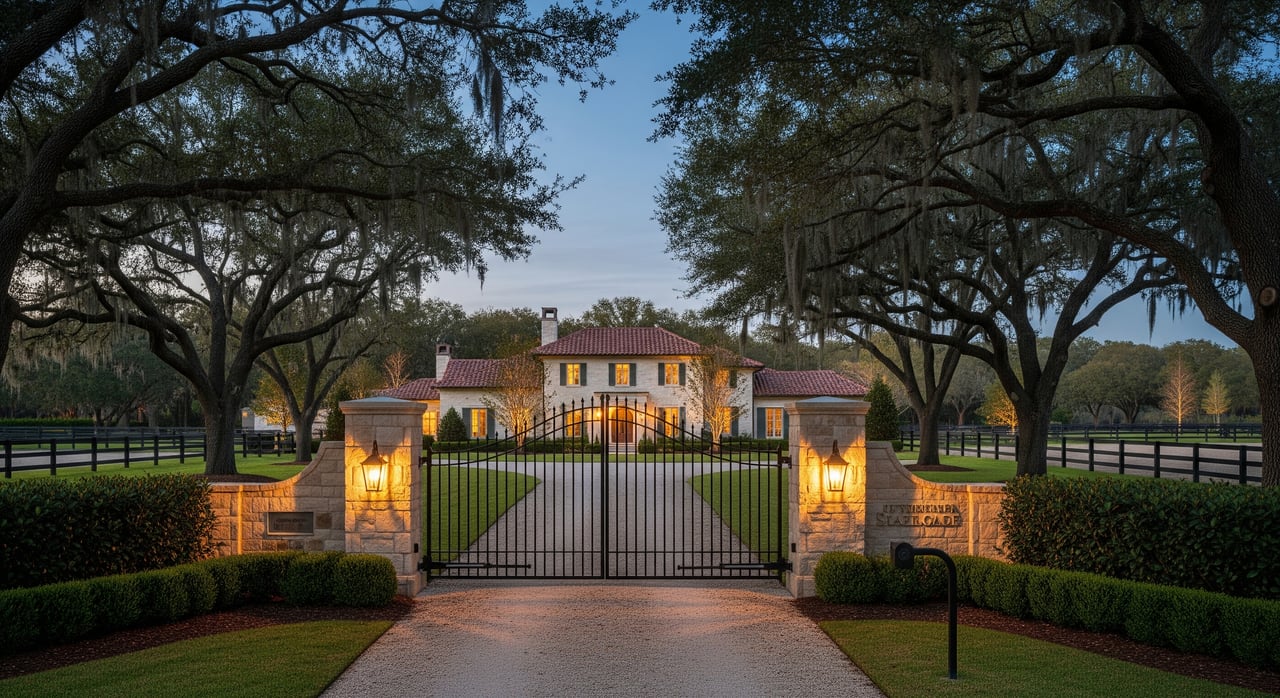
Prefer to keep your move private while still reaching real buyers? If you live in Steeplechase, you have options beyond the open market. With a structured off-market approach, you can protect your privacy, control showings, and work only with qualified buyers who match your goals. In this guide, you will see how a private sale works in Oxford, which buyers to target, and how to avoid common pitfalls. Let’s dive in.
Why sell off-market in Steeplechase
Steeplechase sits within the Oxford market, where the University of Mississippi shapes demand cycles. You can often find interest from faculty and staff, alumni returning to the area, local professionals, and small investors. That mix can be a great fit for a targeted, private sale when you want fewer showings and more control.
Seasonal timing matters too. The academic calendar creates natural windows when buyers plan moves, especially around summer. If privacy and timing are your priorities, a private channel can let you test interest without going public.
There is a tradeoff. Fewer buyers usually means less bidding pressure. If your top goal is the highest possible price through broad competition, the MLS may serve you better. If privacy and control matter most, a private channel can be the right path.
How a private sale works
A private sale is not a casual approach. It follows a clear, documented process that keeps you in control at every step.
Step 1: Seller intake and goals
- Meet for a confidential consultation to define price target, timing, and privacy level.
- Note any musts, such as no public photos, limited showings, or buyer background checks.
- Confirm any rent-back needs or acceptable buyer types.
Step 2: Property assessment and valuation
- Complete a full walk-through and create private photos or video for vetted buyers only.
- Prepare a comparative market analysis and net proceeds estimate.
- Set expectations for a smaller buyer pool, which can influence timing and offers.
Step 3: Strategy and scope
- Select the distribution list, such as vetted local buyers, VIP investors, and trusted buyer agents.
- Decide what materials are allowed, like a floor plan, watermarked photos, or an invitation-only virtual tour.
- Draft confidentiality and disclosure steps that match your privacy level.
Step 4: Buyer outreach
- Share a short, factual property brief with preselected buyers, not the public.
- Invite signed confidentiality agreements where appropriate.
- Offer private, agent-accompanied showings or an invitation-only open house for vetted prospects.
Step 5: Buyer vetting before showings
- Require lender pre-approval or proof of funds and identity verification before allowing access.
- Use confidentiality agreements before sharing full photos, the exact address, or interior details if you prefer.
Step 6: Offers and negotiations
- Choose a fixed review date for offers or review them as they come in.
- Consider sealed or blind offer submission to keep the focus on value and terms.
- Verify buyer funds and lender readiness before you counter or accept.
Step 7: Contract, inspections, and closing
- Use standard contract forms and complete all required property disclosures.
- Set inspection scope and timelines to match your privacy needs.
- Close with the normal escrow and settlement process.
Privacy controls you choose
Your sale can include strict operational controls that protect your privacy while keeping the process efficient.
- Limit location details to the neighborhood until buyers are vetted.
- Use watermarked, non-downloadable photos stored in a secure portal.
- Set a time limit for the private listing window.
- Require agent-accompanied showings only, with no lockbox.
Serious buyer vetting
A strong vetting process saves time, keeps showings to a minimum, and reduces risk of fall-through.
- Cash buyers: proof of funds from a financial institution and photo ID for identity verification.
- Financed buyers: a lender pre-approval that states loan type and amount, plus lender contact details for verification.
- Investor buyers: proof of funds or capital, and a brief track record for higher-value or complex deals.
- All buyers: written statement of intended use, signed confidentiality agreement if required, and an earnest money deposit that signals seriousness.
- Timing checks: confirm the buyer’s target closing date to match your goals.
Operationally, all verification records should be stored securely in the transaction file. Communicate any contingencies up front, including inspection windows and financing timelines.
Legal and MLS compliance
A private sale must follow the rules, even when it is discreet.
- MLS and broker policies: Some boards require that publicly marketed listings enter the MLS within a set time. Private, invitation-only sharing is often permitted, but rules vary. Confirm local policy before any public advertising.
- Fair housing: Keep outreach and selection nondiscriminatory. Confidentiality does not allow any screening based on protected classes.
- Disclosures: You must still complete all legally required property condition disclosures.
- Agency: Disclose brokerage relationships and any dual or designated agency in writing where required.
- Escrow and earnest money: Use proper escrow accounts and document all funds.
- Data security: Store identity documents and financial verification securely, following brokerage policies and state requirements.
- Recordkeeping: Keep complete records of marketing, who saw materials, offers received, and buyer vetting.
- Complex cases: For estates, trusts, or unique confidentiality terms, consult counsel.
Is off-market right for you
Selling off-market often makes sense if:
- Privacy is a priority due to public profile or sensitive life events.
- Your home is unique or high-end and appeals to a niche buyer pool.
- You want a specific buyer type or terms, such as a rent-back.
- You plan to test price and interest before going public.
- You have access to a ready buyer in a trusted pipeline.
- You prefer minimal showings and no open houses.
You may prefer the open market if:
- Your top goal is maximum price through broad competition.
- The home appeals to many owner-occupants and benefits from a bidding environment.
- You need the widest buyer reach fast.
- The property condition could benefit from competitive comparisons.
Timeline and price expectations
Every private sale is different, but a few pragmatic expectations help you plan:
- Exposure tradeoff: Private listings typically mean fewer showings and fewer offers. That can reduce disruption, but it may also reduce peak price compared to a strong public launch.
- Timeline: A private deal can close quickly if the buyer is cash and vetted. It can also take longer if the pool is very selective.
- Proof of funds and earnest money: Require stronger verification and meaningful earnest money to reduce fall-through risk.
- Price cushion: Set a realistic reserve compared to full-market comps. Review Steeplechase comparables and adjust for the smaller buyer pool.
- Fallback plan: Define a date to go public if private outreach does not produce your target terms.
Pitfalls and safeguards
A discreet sale works best with structure. Here is how to avoid common pitfalls:
- Unvetted buyers: Require pre-approval or proof of funds and verify with the lender before showings.
- Rule lapses: Confirm MLS, state, and brokerage policies before any public mention of the home.
- Second-guessing on price: Document your privacy-first choice and the tradeoffs, and set a public-listing fallback date.
- Confidential leaks: Use NDAs, watermarked media, restricted access portals, and agent-accompanied showings.
What to expect from us
You get a calm, confidential process that reflects Oxford’s market rhythms and buyer pools. Our two-agent team blends long-standing local negotiation experience with a modern private channel that reaches owner-occupants tied to the university, relocation buyers, and trusted local investors. We document your goals up front, control access to materials, verify buyers, and keep complete records.
If your plans change, we pivot. You can move from a private window into a polished public launch that uses premium digital marketing and wide syndication. That way, you keep momentum with a strategy that meets you where you are.
Next steps
If you are considering a quiet move in Steeplechase, start with a confidential consultation and a private valuation. We will outline your options, timing windows around the academic calendar, and which buyers to approach first. When you are ready, connect with Noelle Goubeaux for a discreet plan tailored to your goals.
FAQs
What is an off-market sale in Steeplechase
- A private listing shared with a vetted buyer pool, not the public MLS, with showings and details controlled to protect your privacy.
How do showings work for a private Oxford sale
- Showings are scheduled by invitation only, typically agent-accompanied, and often require pre-approval or proof of funds and a confidentiality agreement.
How does pricing compare to MLS sales in Steeplechase
- Private sales usually involve fewer buyers, which can reduce peak price potential, so you balance privacy and control against maximum exposure.
What documents do buyers need to view my home
- Expect pre-approval or proof of funds, identity verification, and possibly a signed confidentiality agreement before access to full details or showings.
Are off-market sales allowed under local MLS rules
- Private, invitation-only sharing is commonly permitted, but public marketing may trigger an MLS entry requirement, so confirm local policy before advertising.
Do I still have to provide property disclosures
- Yes. Off-market sales still require all legally mandated property condition disclosures and standard contract forms.